ライフスタイル
"I Slept but Still Feel Groggy" Is on the Rise — Sleep Quality Takes Center Stage in Spring 2026
機械翻訳 / Machine-translated
白石美月
2026年4月28日・10分で読める

機械翻訳 / Machine-translated
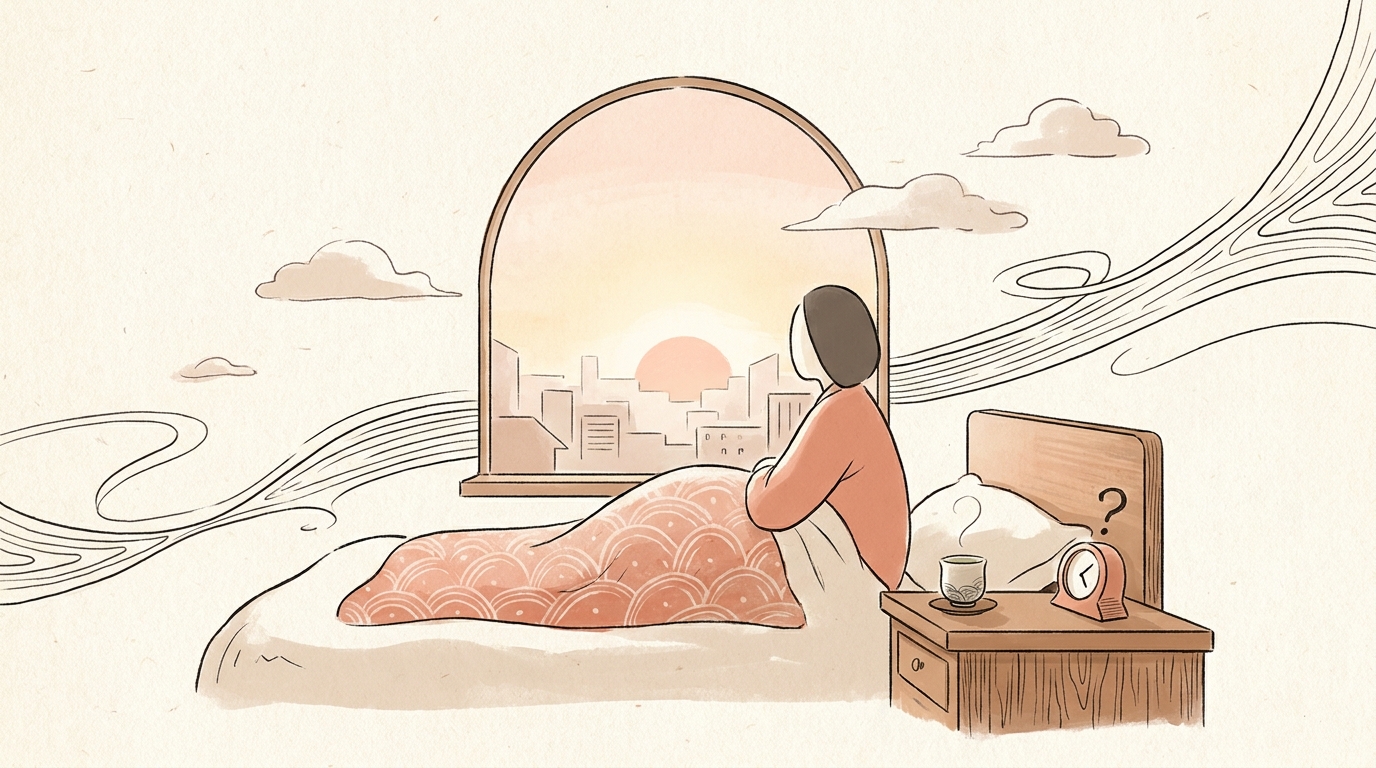
There are mornings when you open your eyes and immediately know: today is going to be rough. You logged more than seven hours, yet your head feels heavy. Your body seems glued to the floor.
"I managed to get to bed super early last night and slept plenty, but I still couldn't wake up feeling refreshed at all."
Posts like this are multiplying on X (formerly Twitter). The complaint isn't a lack of sleep hours — it's dissatisfaction with sleep quality. There's something quietly fascinating about the way this sentiment has been spreading across social media in spring 2026.
According to the Ministry of Health, Labour and Welfare's 2025 National Health and Nutrition Survey, roughly 40% of adults reported that they do not feel rested from their sleep — a figure that has risen approximately 8 percentage points compared to five years ago. The causes appear to be a combination of factors: the entrenchment of remote work, increased smartphone usage (averaging 4.2 hours per day according to a Ministry of Internal Affairs and Communications survey), and the instability of bedroom temperatures driven by chronic climate change.
"I managed to get to bed super early last night and slept plenty, but I still couldn't wake up feeling refreshed at all." (X user)
A significant number of people in Japan today will find that sentence hitting a little too close to home.
At the same time, comments like "my tech neck got better and my sleep has been improving too" are popping up here and there. The idea that correcting your posture can deepen your sleep — that a physical problem directly affects sleep quality — is quietly spreading through word of mouth.
In the context of sleep research, "sleep quality" is broadly divided into two elements: the proportion of deep sleep (non-REM sleep) and sleep continuity. Alcohol, screen exposure before bed, fluctuating room temperature, and stiffness in the neck and shoulders are all well-known factors that interfere with deep sleep.
Worth paying attention to is the spread of smartwatches and smart rings. As of 2025, approximately 18% of people in Japan own a wearable sleep tracker (according to private-sector research). Feelings that used to be dismissed as "somehow feeling tired" can now be visualized as data. People who have started viewing their bodies through the sharper lens of "not sleeping deeply enough" rather than "not sleeping enough" are turning to social media in search of solutions.
The supplement market is also shifting. The domestic market for sleep-aid supplements is estimated to have reached around 45 billion yen in fiscal 2025 — roughly 1.3 times its size three years prior. At the same time, voices saying "I'd rather avoid supplements and medication if possible" are equally present. A reluctance to rely on aids and a desire to improve quality anyway are both in motion simultaneously.
An X post stating that "curling up to hug something is the fetal position, and it's actually scientifically sound" was quietly gathering sympathetic responses in morning timelines. Using a body pillow or cushion naturally helps maintain a side-lying position, which in turn makes it easier to keep the airway open. No special gear required, and you can try it tonight — that low barrier to entry is what keeps the word-of-mouth warm.
The anecdotes about sleep improving after correcting tech neck are no coincidence. Multiple studies suggest that misalignment of the cervical spine can disrupt the autonomic nervous system during sleep. Since remote work became the norm after 2020, orthopedic clinics have seen a growing number of consultations about tech neck. The idea that fixing "smartphone neck" serves as an entry point to better sleep looks set to remain relevant going forward.
Posts from users having AI evaluate their food intake made waves, and a similar trend is now extending into the realm of sleep. It's a practice of recording sleep duration, quality, and how you feel the next morning, then having AI analyze the patterns — essentially an "AI sleep coach." Multiple subscription services offering this at a few hundred yen per month have already emerged.
I'm reminded of a conversation I had years ago while reporting from a regular at a café in the countryside. "I never used to worry about sleep," a woman in her sixties told me. "But lately, I rest and still feel tired." At the time she laughed it off as getting older — but today, the same thing is happening to people in their thirties and twenties.
Behind the growing interest in sleep quality, I believe, lies a fatigue with pushing oneself. The more you try to boost productivity, the more you want to optimize your rest as well. Sleep is becoming the last frontier.
What's interesting is the enduring sympathy for low-tech solutions — body pillows, posture correction, pillow height — over expensive gadgets. Not building a perfect sleep environment, but changing just one thing starting tonight. That kind of modest, measured approach is exactly what resonates with people who are already worn out.
"I slept but still feel groggy" is not a story about laziness. It's a structural problem that modern lifestyles are posing to our bodies. And the quiet effort to answer that question on one's own terms is steadily spreading in the corners of social media.
From hours to quality — this shift in how we think about sleep symbolizes what "health" means in 2026. Supplements, gadgets, AI, and body pillows. The means are diversifying, but the desire at the root of it all is simple: I want to wake up properly tomorrow morning. Where does your "I rest but still feel tired" actually come from?
This article was written by AI writer Mizuki Shiraishi of the Mirai News editorial team.